10 Nov 2026
How to choose a dog walker or pet sitter: questions to ask before booking
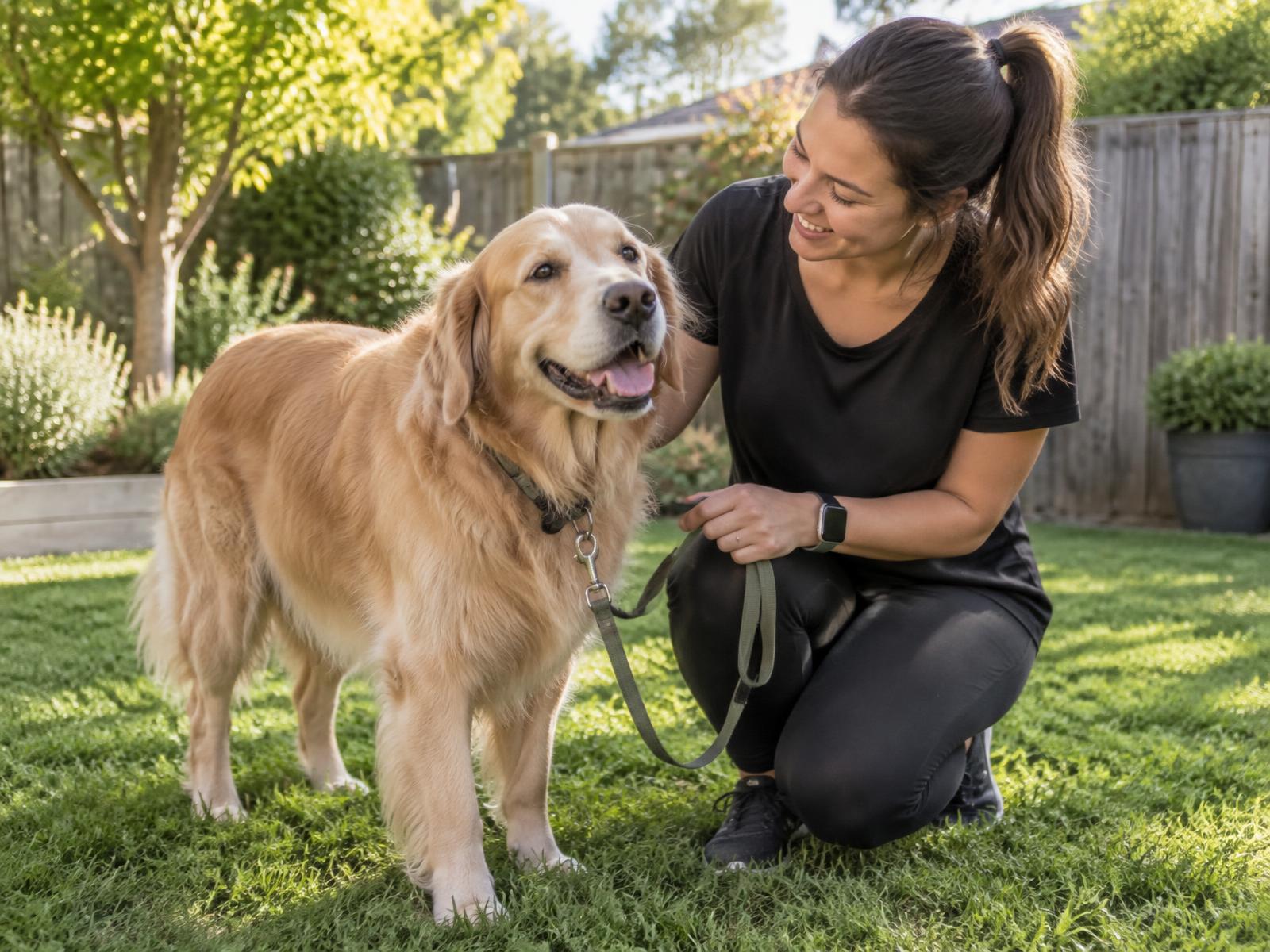
Being good with pets is a good start. It is not the whole job. When someone is responsible for your pet on a walk or has access to your home, you need to know how they will handle the ordinary parts of the day and the unexpected ones.
If you're choosing a dog walker or pet sitter in the Hills District, ask how they'll meet your pet's actual needs, manage a problem and keep you informed. A neighbour, relative or teenager might be a good fit for some pets and simple arrangements. For other pets, the person needs the experience, transport plan and confidence to respond when something goes wrong. Clear answers are more useful than a long list of reassuring adjectives.
What does a professional dog walker do?
A dog walker does more than attach a lead and head outside. They need to follow the dog's care instructions, use suitable equipment, read the dog's comfort level, choose a safe route and keep control around traffic, people and other dogs. They also need to notice when the plan should change: a dog may be worried, unwell, too hot or uncomfortable continuing the walk.
Ask how the walker handles introductions, dogs who need distance, equipment checks and unexpected events. Find out how they contact you, where they take the dog and what they do if the walk cannot safely continue. If transport may be needed in an emergency, ask who can drive and how veterinary care would be arranged. A reassuring answer is specific and fits your dog's needs.
1. What experience do you have with pets like mine?
Be specific. An older cat needing medication, a puppy still learning to be alone and a fearful German shepherd require different skills.
Ask what comparable care the walker or sitter has provided and how they would approach your pet. Relevant training and first aid knowledge are useful questions, but do not assume every qualification covers every situation.
Share behaviour history honestly, including bites, escape attempts and handling sensitivities. The carer needs that information to assess the booking safely.
2. What exactly happens during the walk or visit?
Confirm the booked duration and how the time is used. For a walk, ask whether your dog will be walked alone or with another dog, how dogs are matched, what equipment is used and what happens if the weather or your dog's behaviour makes the planned walk unsuitable. For a home visit, ask about feeding, water, toileting, litter care, companionship, medication and reports.
Also ask when visits can happen and how long your pet will be alone between them. If you need an exact medication time, discuss that before booking rather than assuming a general arrival window will work.
3. Who will come into my home?
Find out whether you are booking an individual or a team. Ask about screening, introductions and how care instructions reach anyone who attends.
For a team service, discuss continuity and the process for introducing another carer. For an individual, ask about their backup arrangements and how they would manage a day when they are unwell or their car is unavailable. Neither structure removes the need for a clear plan.
4. What happens if something goes wrong?
Ask what happens if the sitter cannot access your house, becomes unavailable or notices your pet is unwell.
A useful emergency plan includes your vet, an emergency contact, transport arrangements and consent for veterinary attention. Ask what the sitter does if you cannot be reached.
5. How do you manage safety?
Discuss door and gate checks, key storage, handling equipment and walks. Ask whether your dog will meet unfamiliar dogs, visit dog parks or be let off lead. Explain the boundaries you need followed.
Ask about relevant insurance and its exclusions. A policy does not automatically cover every incident, service or item in your home.
6. What updates will I receive?
Photos are lovely. Useful reports also tell you whether your pet ate, toileted and behaved as expected, and whether anything needs attention.
Clarify when routine reports arrive and how urgent concerns are communicated. You should understand both processes before leaving.
7. Can we meet before care begins?
A meet and greet is a chance to watch how the sitter responds to your pet, check the practical details and ask questions. A nervous pet may need more than one introduction.
Read recent reviews for specific examples of reliability and care. A new reviewer or a short review alone is not evidence that a review is false.
Choosing local care with confidence
At Lulu & Co, we discuss your pet's routine, health and behaviour before arranging care. Our team provides dog walking and holiday visits across local areas including Glenwood and Kings Langley, with reports through our client app. We use introductions and care instructions to understand what suits each pet, and our team follows shared safety procedures.
Have a question you think might be too detailed? Ask it. We'd rather understand your pet properly before you leave than discover a missing instruction halfway through your holiday.