15 Nov 2026
Does your dog need more exercise? A Kings Langley guide
Chewing, pacing or unsettled behaviour can make it seem obvious that a dog needs a longer walk. Sometimes more appropriate activity helps. But those behaviours can also signal stress, pain, fear of being alone or another change in wellbeing.
The useful question is not simply, “How do I tire my dog out?” It is, “What does my dog’s whole day look like, and what changed?”
Signs to investigate, not diagnose
Notice whether your dog:
struggles to settle on days with long gaps alone;
seems restless despite having had a walk;
seeks activity, sniffing or interaction repeatedly;
shows a new change in sleep, appetite, movement or toileting;
chews or barks in a pattern linked to departures or specific events.
These are prompts to observe, not proof of an exercise deficit. If behaviour changes suddenly, becomes intense or continues despite routine adjustments, speak with your vet before simply increasing exercise.
Exercise should fit the individual dog
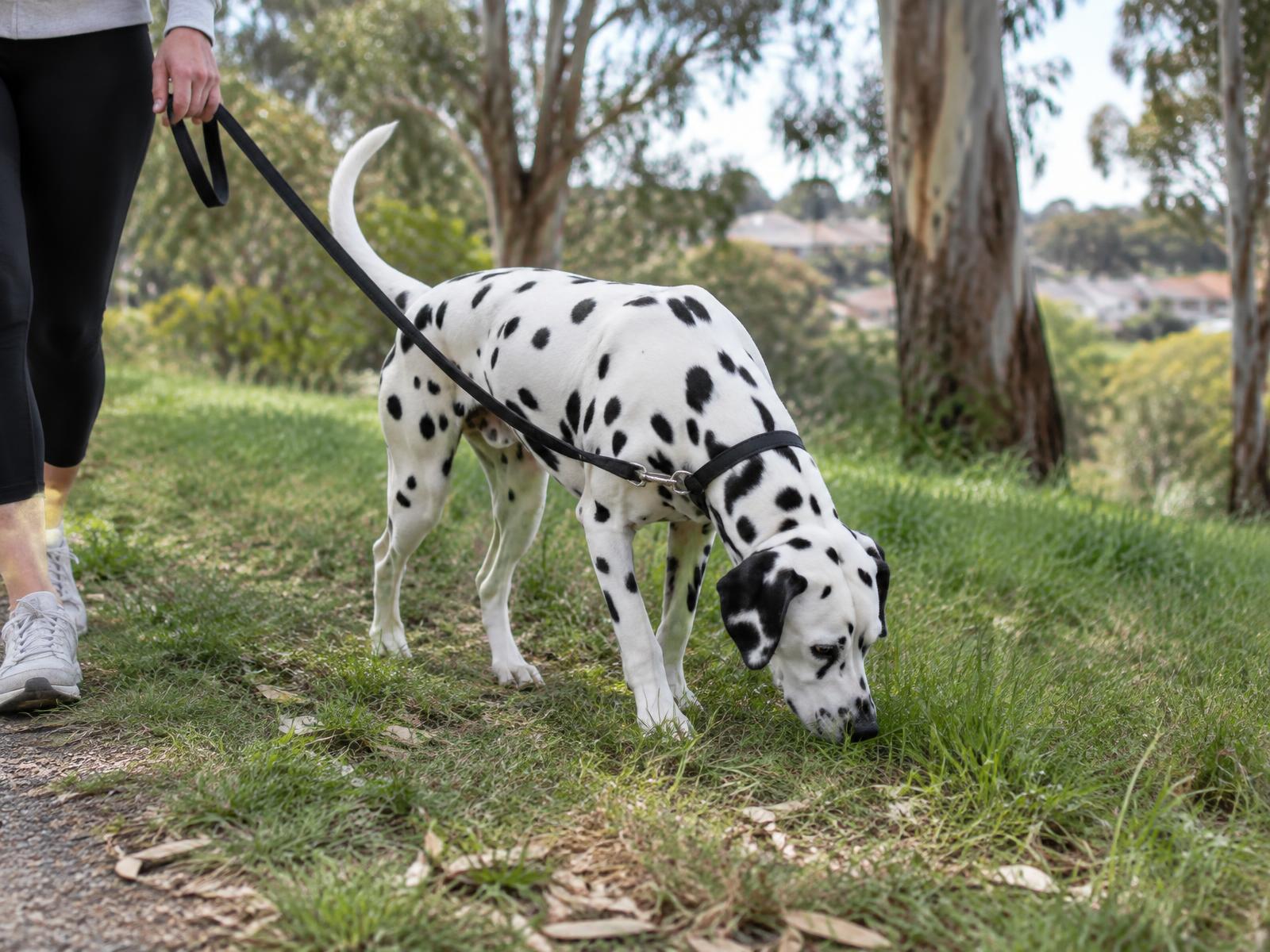
A suitable routine depends on age, health, fitness, body shape, temperament and weather. It can include walking, sniffing, play, simple training and safe enrichment. Not every dog benefits from a longer or faster walk; some need a quieter route, shorter sessions or more rest.
RSPCA guidance describes enrichment as activities that engage a dog’s mind, body and senses. Sniffing and problem-solving can complement physical exercise, but should be safe and appropriate for the individual dog.
Keep a seven-day activity record
For one week, write down:
how long your dog is alone;
the type and length of activity they receive;
whether they settle, eat, toilet and rest afterwards;
any changes in behaviour, mobility or health.
This gives your vet and walker concrete information. It can also show whether the issue occurs on workdays, after a particular trigger or regardless of exercise.
A workday routine in Kings Langley
For some dogs, a recurring midday walk provides a predictable break for toileting, sniffing and appropriate activity. At Lulu & Co, we assess the dog’s needs and the day’s conditions; our heat policy changes the plan to indoor enrichment when outdoor walking is unsuitable.
We provide recurring dog walks in Kings Langley, subject to availability. A walk can support a routine, but it is not continuous supervision and it does not treat separation anxiety. Tell us what you have observed, and we can discuss whether a walk is an appropriate part of the plan.