15 Nov 2026
Fear-free dog care in Kellyville: what should owners expect?
If your dog is worried about strangers, traffic or other dogs, choosing a walker is about more than finding someone who loves animals. You need to know how they recognise stress and what they will do when your dog needs more space.
Fear-aware care aims to prevent avoidable fear, anxiety and stress. It does not mean a dog will never feel uncertain, and it is not a promise that a walk will resolve a behaviour problem. A competent carer notices the dog’s response, reduces pressure and follows an agreed plan.
Read the whole dog, not one signal
Turning away, lowering the body, lip licking, yawning, freezing, refusing food or trying to move behind a person can all be reasons to pause and assess. No single signal gives a diagnosis. Look at the dog’s full posture, the situation and whether their behaviour changes when the pressure is reduced.
A dog who freezes is not necessarily calm. A wagging tail by itself does not prove a dog welcomes an approach. Give the dog more space and see whether their body softens and they choose to re-engage.
RSPCA guidance on dog body language can help owners learn common signs of comfort and worry. Persistent fear or sudden behaviour changes should be discussed with a vet.
What we do before a sensitive dog’s first walk
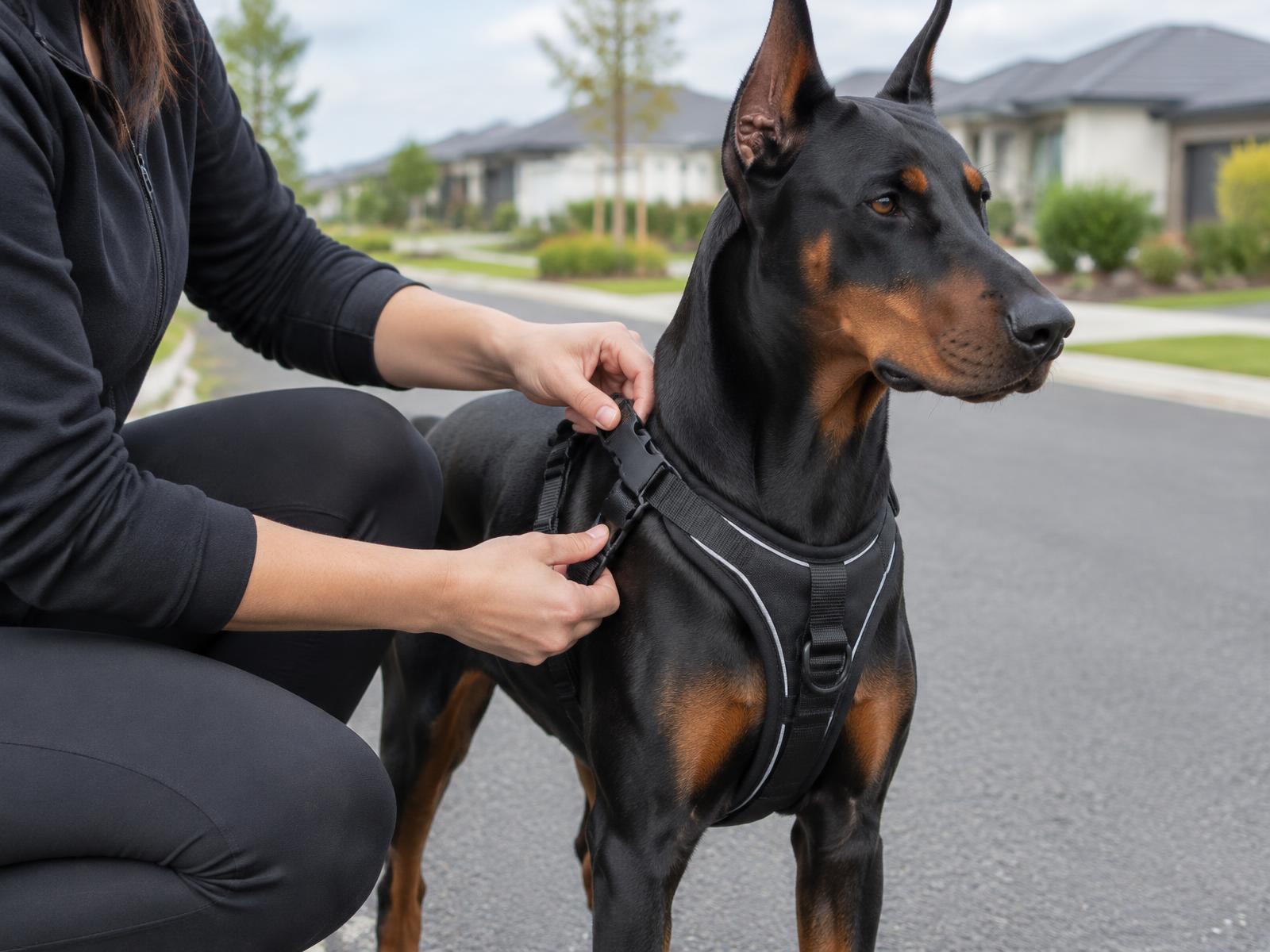
At Lulu & Co, we start with a detailed handover: health, handling preferences, triggers, equipment, escape history and any bite incidents. We arrange an introduction before care begins so the dog can observe and approach at their own pace.
We assess whether a group walk is suitable. Dogs who need more space are walked one-to-one; we do not use dog parks, force greetings or walk dogs off lead in public. If a dog cannot settle or the proposed setup is unsafe, we pause and discuss a different plan rather than pushing through.
What this can look like on a Kellyville walk
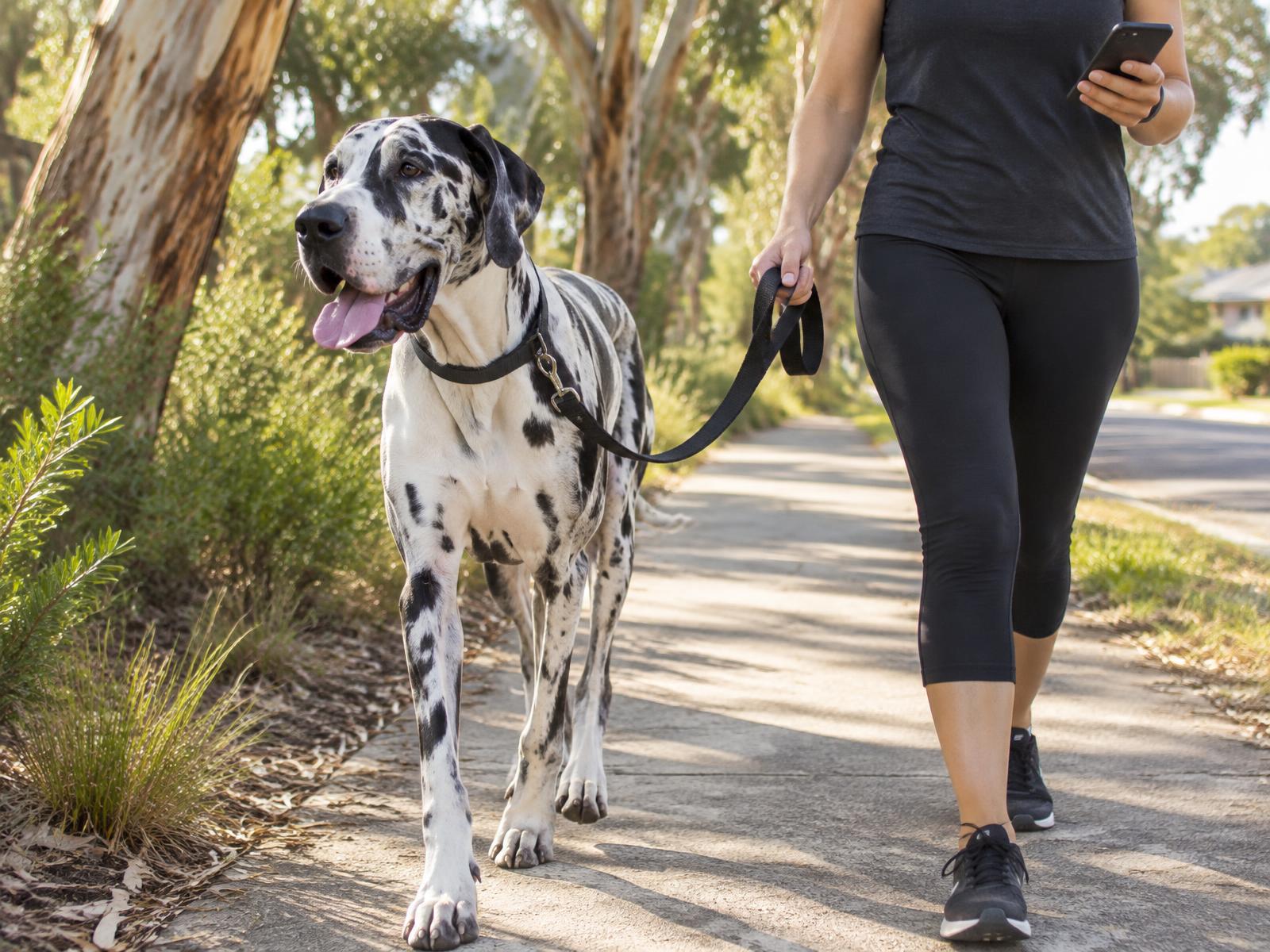
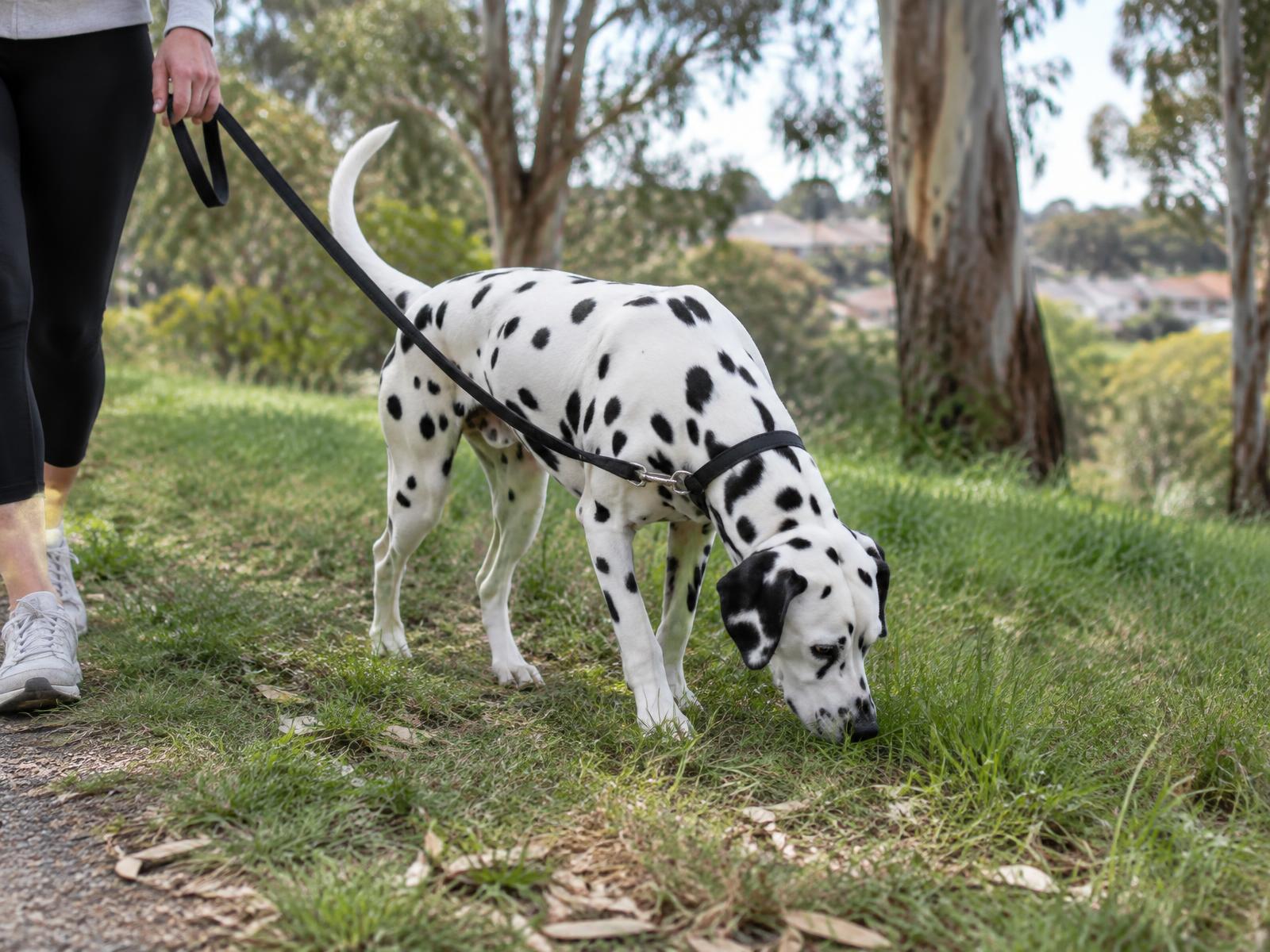
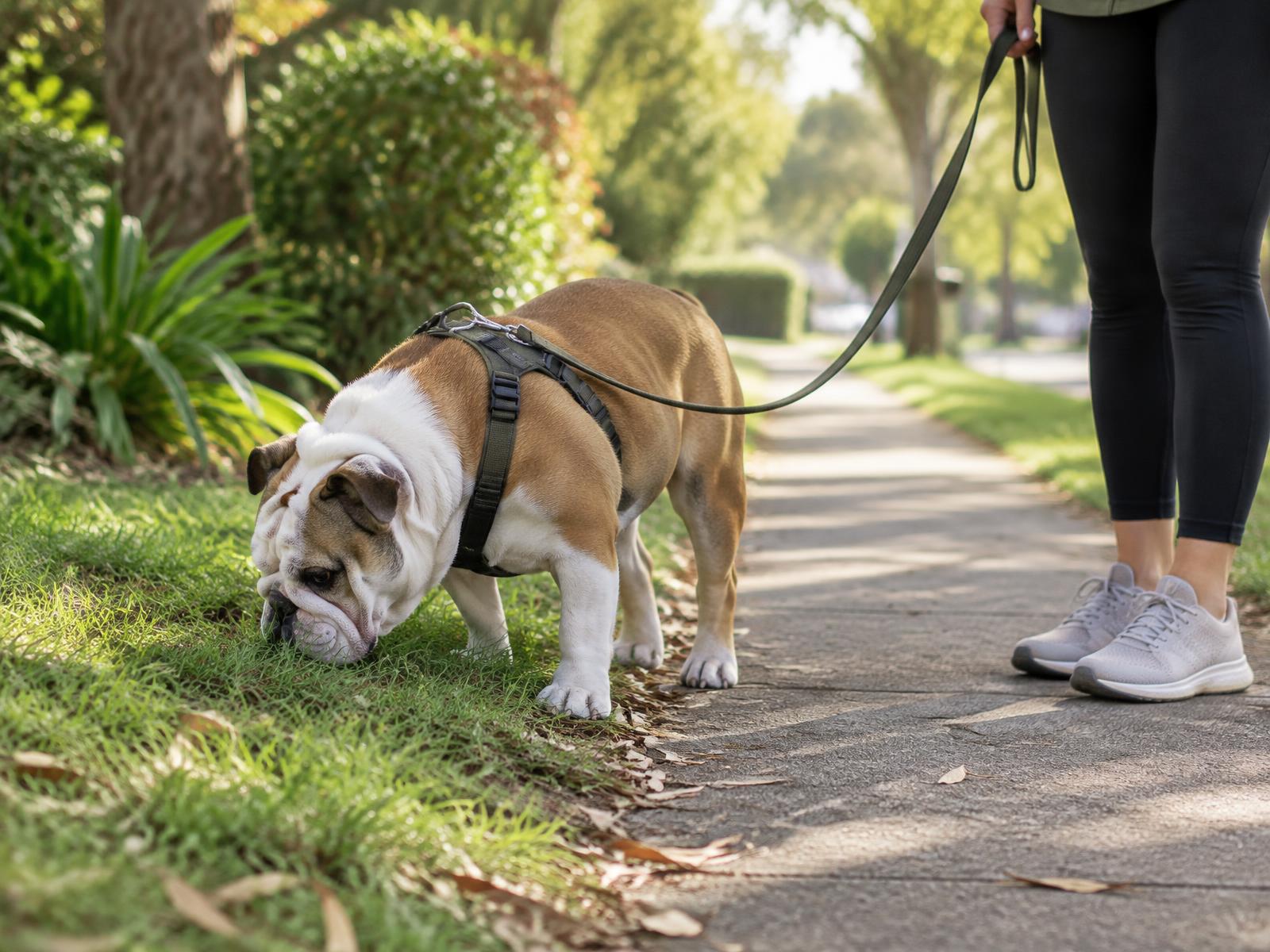
A walk is not a fixed route or a distance target. If a dog becomes tense when another dog approaches on a narrow footpath, the walker should create distance, change direction or return home. On another day, the dog may be comfortable sniffing and exploring a quiet route.
The measure of a good walk is whether the activity was safe and suitable for that dog, not how many streets they covered.
Questions to ask a walker
What signs tell you a dog needs more space?
How do you introduce yourself to a nervous dog?
Will my dog be walked alone?
What would make you shorten or stop a walk?
How will you update me if my dog seems distressed?
Our team provides dog walks in Kellyville, subject to availability and suitability. We use fear-aware handling training and documented care notes, and share visit updates through our client app. For severe fear, reactivity or a bite history, share the full history before booking and follow your vet or behaviour professional’s plan.