10 Nov 2026
How long can you leave a dog or cat home alone?
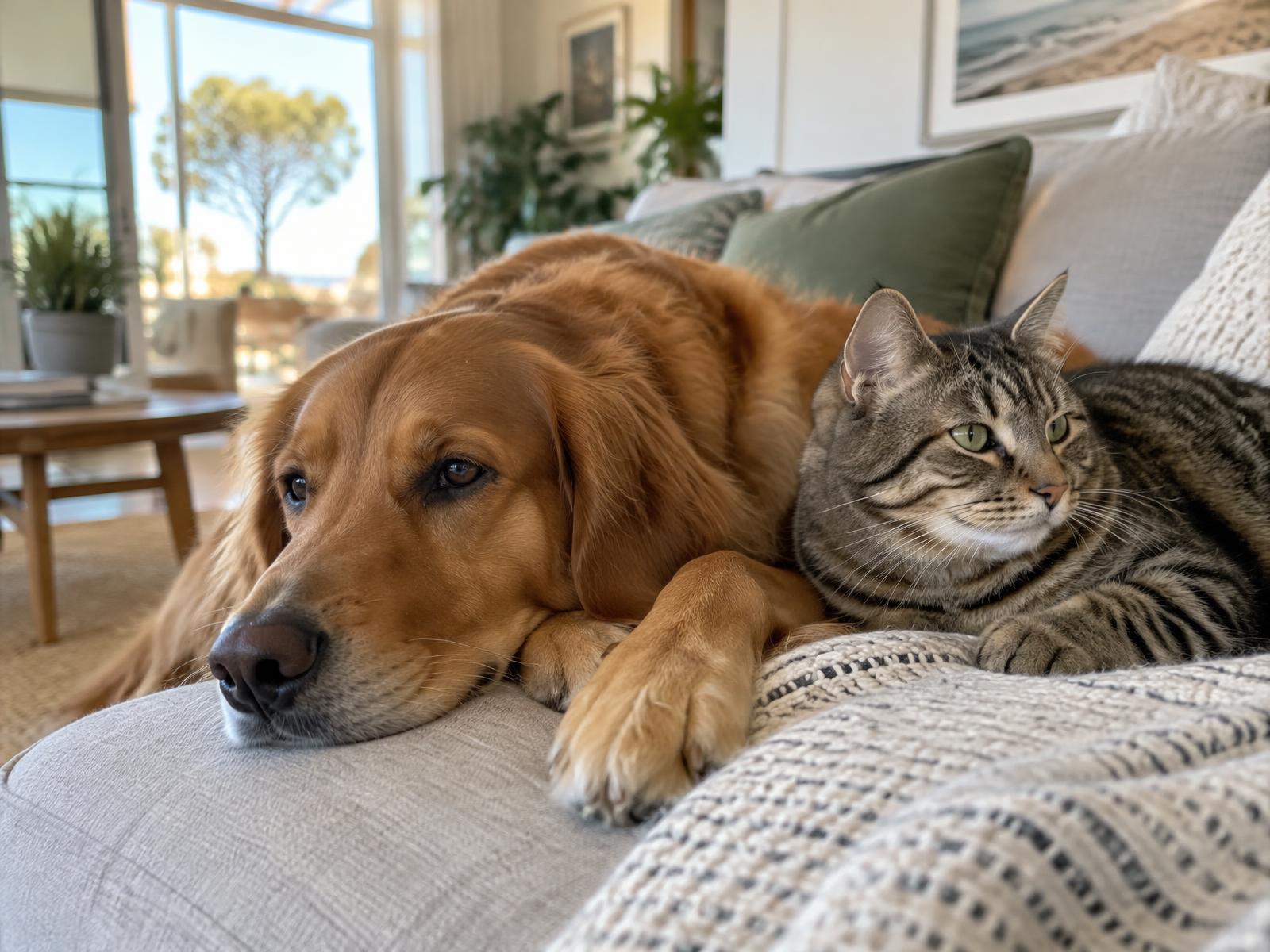
The answer depends on your pet. Age, health, toilet needs, past experience and how they respond to being alone all matter. A number that suits one pet may be too long for another.
For busy families and shift workers in the Hills District, the useful question is: what support does my pet need during the time I'm away?
Start with the whole day
Include your commute, errands and the occasional late finish. An eight-hour shift can mean considerably more time away from home.
Then consider whether your pet can rest comfortably, access water and toilet appropriately throughout that period. Physical ability to hold on does not tell you whether the day is meeting their social and behavioural needs.
Different pets need different arrangements
Young puppies and kittens need frequent care, including toilet opportunities, meals where appropriate and help learning to feel comfortable alone. Senior pets may need more frequent toileting or support with health and mobility.
A recently adopted pet may still be learning what happens when you leave. A pet who has previously settled well may need a revised plan after illness or a major routine change.
Assess the pet in front of you rather than relying on a universal timetable.
What does your pet do when you leave?
A camera can help you observe whether your pet settles or spends time pacing, vocalising, panting or repeatedly checking exits. Those behaviours need context; they do not establish a diagnosis on their own.
If your pet appears distressed, speak with your vet. Destructive behaviour or toileting indoors can have several causes. Punishment does not address fear, and simply leaving a distressed pet for longer is not a treatment plan.
Does a walk or play session before work solve the problem?
Appropriate exercise, play and sniffing can form part of a good routine. They don't remove the need for company, toileting and suitable care later in the day.
Nor does exhausting a pet teach them to feel safe alone. A pet with separation-related distress may need a veterinary and behaviour support plan as well as changes to their daily care.
Ways to break up the day
Depending on your pet, useful options may include:
A trusted person returning for company and a toilet break or litter clean.
A professional dog walk matched to their health and temperament.
An in-home visit for a meal, gentle activity or rest-time support.
A suitable sitter or other arrangement when they need longer attendance.
Practise alone time gradually and monitor how your pet responds. Leave a comfortable, secure space and only enrichment items you have assessed as suitable for unsupervised use.
Dog walking and visits in Sydney's north-west
Lulu & Co supports working pet parents in areas including Marsden Park and The Ponds. Regular walks can provide appropriate activity and enrichment, while express visits can help with practical care such as a toilet break and fresh water.
A visit breaks up an absence; it does not provide supervision for the remaining hours or treat separation anxiety.
Tell us your usual workday and how your pet copes while you're out. We can discuss support that fits their needs, including whether a different level of care would be more appropriate.
Related articles
Leaving your puppy or kitten home alone: how to prepare
Sources
RSPCA Australia: what to do if your dog is anxious when you're not home