10 Nov 2026
Leaving your puppy or kitten home alone: how to prepare
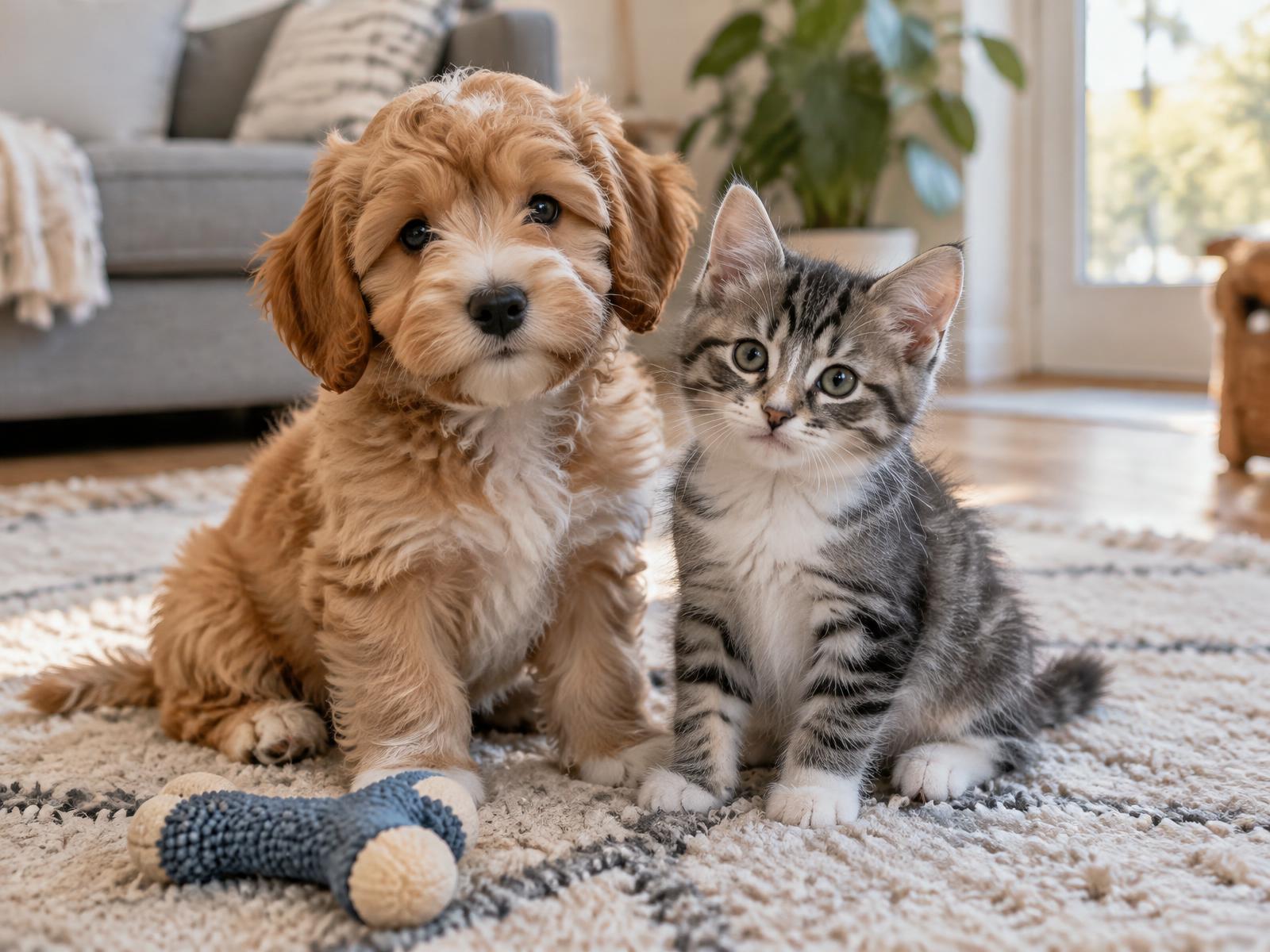
Bringing a puppy or kitten home can turn a normal working morning into a detailed negotiation about breakfast, toilet breaks and whether slippers count as enrichment.
If you're preparing to leave your puppy or kitten home alone, begin before the first full day back at work. They need a safe setup, gradual practice and enough hands-on care throughout the day.
Build confidence with very short absences
Help your young pet get comfortable in their resting area while you're nearby. Once they're settled, practise stepping away briefly, returning before they become worried.
Increase the challenge gradually according to their response. This may mean starting with seconds rather than leaving the house straight away. If they become distressed, make the next session easier and seek advice if they continue to struggle.
The goal is comfortable alone time. Leaving a young pet to panic does not teach that lesson.
Set up a safe space
Choose an area where your puppy or kitten can rest comfortably and access water, plus a litter tray for kittens. Remove cords, medications, plants and objects they could swallow. Check gates, barriers and anything they might climb or become caught in.
A pen or suitably arranged room may help. A crate requires positive introduction and is not a solution for keeping a puppy confined through a working day. Their space and schedule must allow for toileting, movement and care.
Introduce toys and food activities under supervision first. Not every chew or enrichment item is suitable to leave unattended.
Plan meals, toilet breaks and rest
Your young pet's needs change as they grow. Work with their actual feeding routine, health needs and toilet or litter training rather than a rigid age-based holding formula.
Offer a toilet opportunity before leaving. Arrange care at appropriate intervals while you're out, and allow for sleep as well as play. An overtired puppy or kitten doesn't need an entertainment committee arriving every five minutes.
Discuss vaccination status and safe exposure with your vet. Socialisation can include positive experiences at home; it does not require unrestricted contact with unfamiliar animals.
Arrange support before returning to work
A puppy or kitten visit can provide a toilet break or litter clean, fresh water, a scheduled meal, gentle play and reinforcement of familiar skills.
The number and length of visits should fit your young pet and the full period you're away. One lunchtime visit may not meet a very young puppy or kitten's needs. Some need more extensive attendance, particularly while settling into a new home.
Introduce the carer beforehand and share the cues, routine and reward approach you use. Consistency makes it easier for your young pet to understand what's happening.
Watch how they cope
Check whether they can settle between activities. If you observe persistent distress, escape attempts or an inability to rest alone, speak with your vet and an appropriately qualified reward-based behaviour professional.
Puppy visits in the Hills District
Lulu & Co provides in-home support for puppy and kitten families in local areas including Kellyville, North Kellyville and Rouse Hill. Visits can help maintain your young pet's routine while you're working, with updates so you know what happened.
Tell us your puppy or kitten's age, your work hours and the routine you're building. We'll discuss the care needed around those details, rather than expecting them to fit an adult pet's day.
Related articles
Choosing a dog walker or pet sitter
How long can you leave a dog or cat home alone?